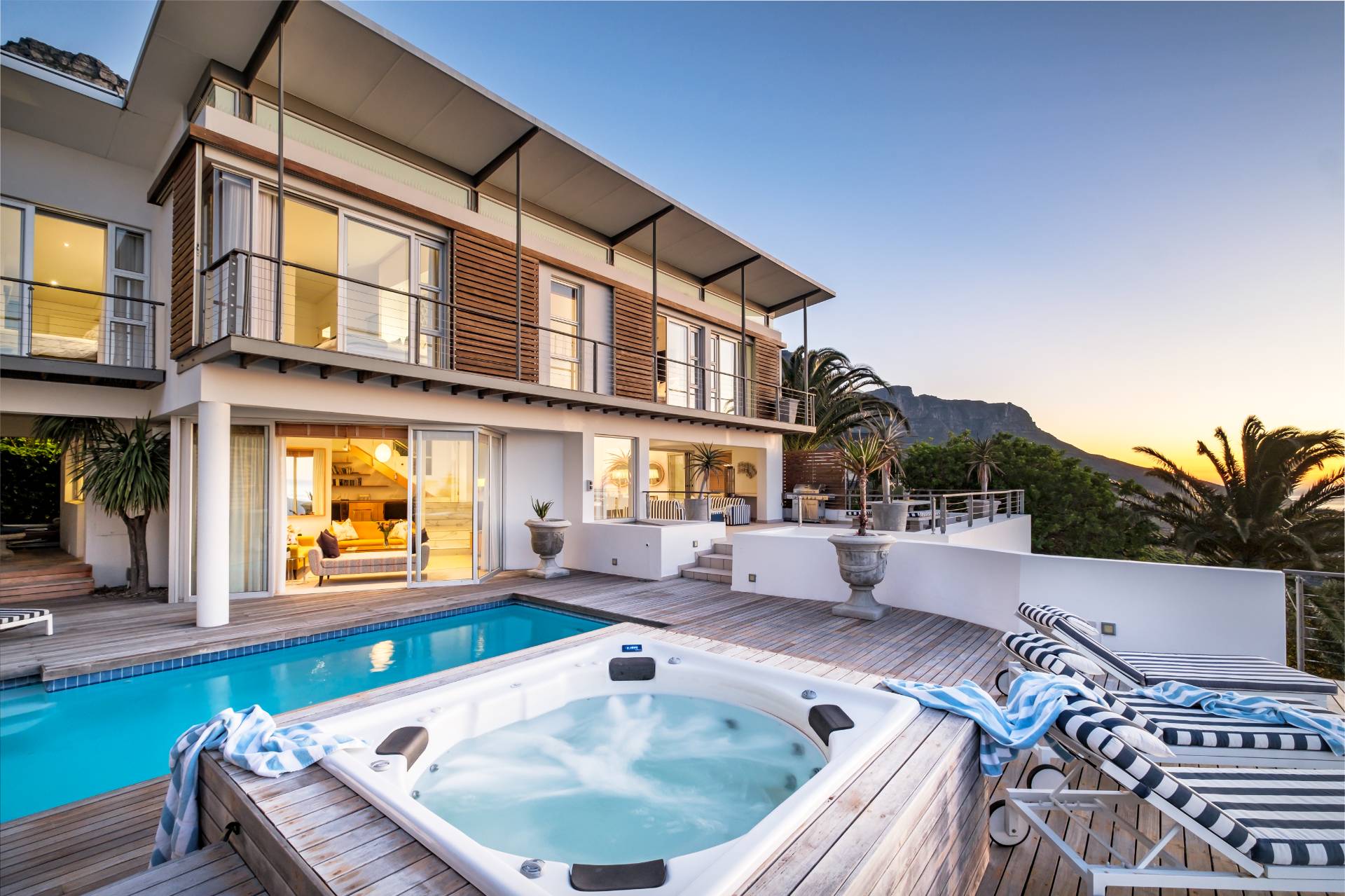
As more people look to visit Cape Town for work, recreation, or tourism, the short-term rental (STR) market offers broad residential investment prospects.
Cape Town ranks as a top global Airbnb hotspot with tens of thousands of listings. Strong market metrics draw serious investors to the area. These include occupancy rates averaging over 70% during peak periods and the ability to raise prices multiple times per season.
In this hot market, mispricing your property or ignoring basic upkeep and maintenance can wreck your returns fast. This is the warning shared by Nick Taylor, Managing Director of Nox Cape Town, a specialised property management agency with an established footprint across the Cape Town City Centre and the Atlantic Seaboard.
When your tenants want to enjoy a range of facilities and access to services 24/7, employing experts to manage your property or properties on your behalf can be a game-changer. Professional STR property managers have the skill and patience that sophisticated and demanding foreign clientele require. They can put out fires at awkward hours.
“Whether you own one villa or a full portfolio, you need a specialist team on the ground. These are property management professionals who can resolve issues at odd hours and still deliver a five-star experience,” says Taylor.
Practice the basics of good pricing
Effective pricing requires practice and experience. If you understand when to price at higher and lower levels, you can manage demand during and outside of busy periods, which gives you a chance at keeping your properties occupied.
But first off, you must understand the ins and outs of your property.
Taylor suggests getting crystal clear on the location, amenities, and attributes of your property and then determining your target market before even thinking about price. “Is your property positioned to attract budget-conscious travellers, high-end international tourists, multi-generational travellers, or long-weekend locals. Your audience determines everything, from pricing and marketing to the level of service you will need to provide,” he says.
Then check how comparable properties are priced, analyse market demand, and consider your expenses. In a popular and varied market in terms of property types on offer, like the Atlantic Seaboard, dynamic pricing is useful. If you understand your market, you set a base rate and adjust it in real time based on demand, competitor pricing, time, and your vacancies. It’s a game of patience as you see what sticks, but you cannot adjust your pricing too recklessly.
Taylor says if your price is too high, your calendar will sit empty; too low, and you’re leaving money on the table. “Correct pricing maximises occupancy and your nightly rate, which drives your RevPAR, which is an industry term for Revenue Per Available Room or property. In STR, the right price is your most powerful sales tool, as it directly affects cash flow, the return on investment, and the viability of the property,” he says.
Pricing gives guests the perception of value for money, which affects how the property is reviewed. Higher review scores mean that you can gradually build your rate if the track record of guests’ experiences is positive and public.
“The biggest mistake people make is setting a single ‘dream rate’ and sticking to it year-round. Cape Town’s market is seasonal and event-driven. Without dynamic adjustments, you’ll lose peak revenue and miss filling low-season gaps. Don’t get swayed by comments in the market for one-off ‘trophy’ bookings, such as ‘my friend down the road got this price per day’. In periods of high demand, maximum rentals can be achieved. However, this does not create a sustainable investment strategy over a period of 365 days. Pricing isn’t about ego or copying your neighbour’s peak rate. It’s about data, timing, and adaptability,” explains Taylor.
Using a revenue management model to garner returns
Here is an example of where a professional revenue management model can help a modest R2.5m property on the Sea Point promenade generate profit from short-term rentals. The revenue management model sets a base rate from historic data and then layers on adjustments from real-time market signals.
- Purchase price: R2.5m
- Expected annual gross revenue (Sea Point, 2-bed, well-furnished): R600,000–R750,000
- Operating costs (utilities, internet, cleaning, maintenance, insurance): ±R120,000/year
- Management fees (20%–25% of gross): ±R150,000–R187,500/year
- Net before bond: ±R330,000–R442,500
- If financed at prime (11.75%), 80% bond = ±R256,000/year in repayments, leaving ±R74,000 - R186,500 net.
The rule of thumb is: You want gross annual revenue to be 20–30% of property value to make STR financially viable.
Why hiring experts to manage your property pays off
A property management group can boost revenues through dynamic pricing, where a team monitors market shifts constantly, so you’re never under- or overpriced. They also deliver full-service operations, including guest vetting, marketing, housekeeping, maintenance, and 24/7 support.
With a background in real estate, tourism, and hospitality, Taylor has witnessed the growth of Cape Town’s short-term rental (STR) sector first-hand. Nox Cape Town now oversees assets valued at around R2.5 billion, spanning more than 200 premium properties. The client base is a mix of local and international owners, with approximately 55% coming from the UK and Europe and 45% from South Africa.
In the competitive markets of Camps Bay and Clifton, the company manages a notable portion of available stock. Taylor notes that effective rental management goes beyond financial performance — it’s about building strong relationships with guests and tenants, meeting expectations, and being prepared to address challenges when they arise.