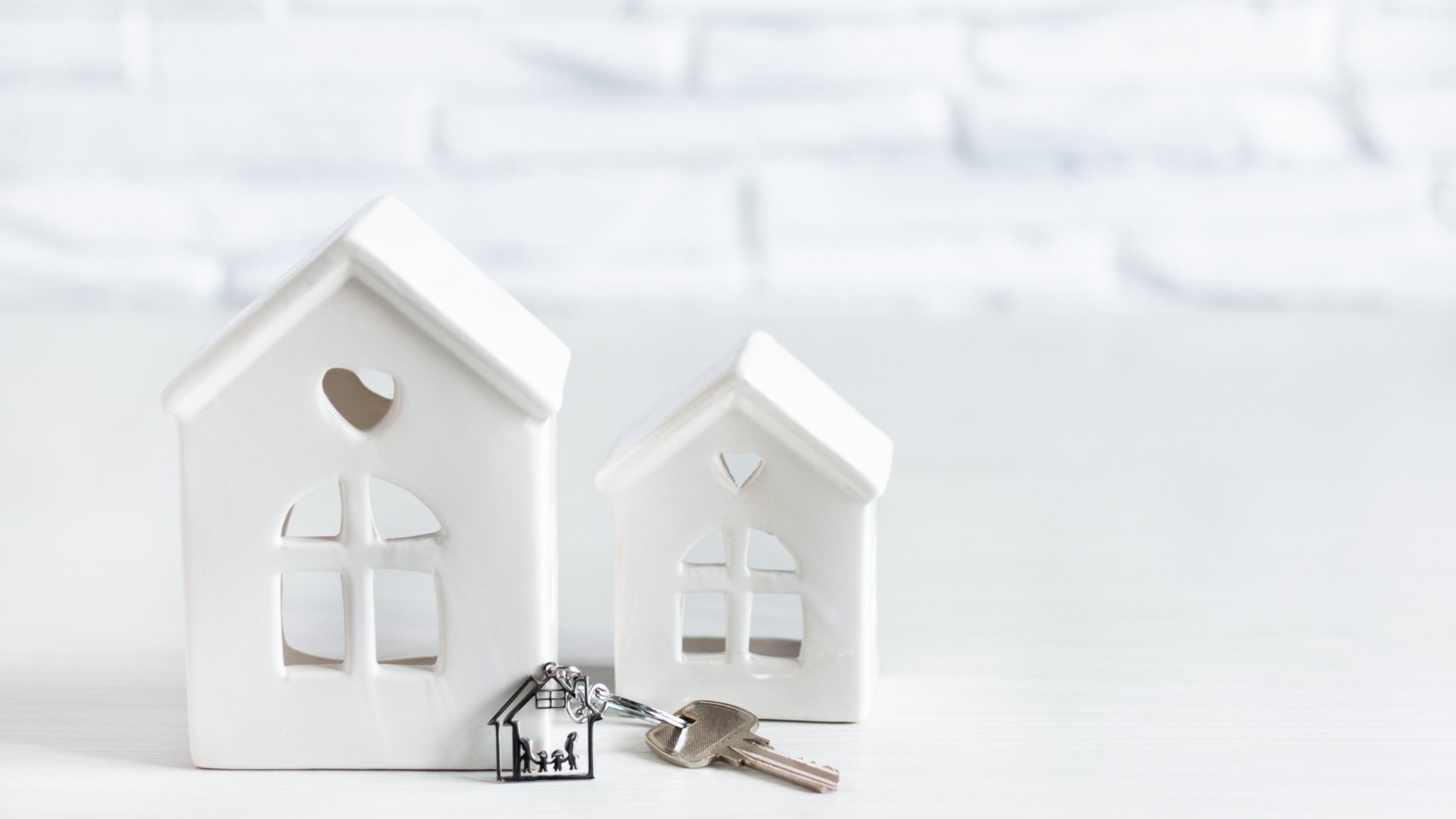
Downsizing isn't just about moving into a smaller house—it's about moving into a life that better suits your current needs, priorities, and future goals. For many South Africans, especially those entering new life stages or seeking financial freedom, downsizing offers the opportunity to simplify, save, and start fresh. Whether you're navigating retirement, adjusting to an empty nest, or simply craving a more manageable lifestyle, downsizing can be a smart and empowering decision.
This guide explores the deeper benefits of downsizing and provides practical insights to help you navigate the process thoughtfully and confidently.
1. Empty nest: When the kids have moved out
One of the most common reasons homeowners consider downsizing is when children have moved out. That once-lively family home may now feel quiet and oversized, with rooms going unused and maintenance tasks feeling increasingly unnecessary. If you’re finding that your home no longer reflects your current lifestyle, it may be time to consider a space that better fits your day-to-day reality.
Before making the move, think about whether your children might return home temporarily or whether you'd like to have space for family gatherings or future grandchildren. Downsizing doesn’t have to mean sacrificing comfort—it simply means rethinking how much space you truly need.
2. Maintenance is becoming a challenge
Large homes often come with large responsibilities. From tending to expansive gardens to keeping up with constant repairs, homeownership can feel like a second job. If you find yourself spending more time maintaining your property than enjoying it, downsizing to a lower-maintenance home can offer relief and freedom.
Many people choose townhouses or apartments where maintenance tasks—such as landscaping and exterior repairs—are handled by a homeowners' association (HOA). While this adds convenience, it's important to factor in HOA fees and make sure they don't outweigh the savings you're hoping to gain.
Here is a guide on what buyers, landlords and tenants need to know about HOAs
3. Financial benefits
Financial considerations are a major driver behind the decision to downsize. A smaller home typically costs less to maintain, heat, insure, and furnish. Selling a larger property can free up capital to eliminate debt, boost retirement savings, or support a more flexible lifestyle.
However, it’s essential to look at the full financial picture. The costs of selling, moving, and buying a new home can add up quickly. Be sure to plan for transfer duties, agent commissions, potential renovations, storage costs, and moving expenses. Working with a financial advisor or property professional can help you make informed decisions that align with your long-term goals.
Here are the costs you need to prepare for when selling your property
4. You’re ready for a lifestyle change
Downsizing is often the beginning of a lifestyle shift. Whether you’re dreaming of a coastal retirement, a modern city apartment, or a quiet community near nature, moving to a new space can open doors to experiences that your current home may not support. A smaller home can also encourage a more minimalist, intentional lifestyle, allowing you to focus on relationships, travel, or personal growth.
When considering a new location, reflect on what matters most. Proximity to family, public transport, healthcare, recreational facilities, and cultural attractions should all play a role in your decision. Downsizing is about quality over quantity—not just in terms of space, but in how you spend your time.
5. You’re only using a few rooms
If you’re only using a few rooms in your current home, it may be time to reconsider how much space you really need. Heating, cooling, cleaning, and maintaining unused rooms can drain your finances and energy.
A good starting point is to take note of which spaces you actively use in your daily routine. You might also consider “test driving” a smaller footprint in your current home by closing off unused rooms and living only in the essential spaces. This exercise can help you visualise what life in a smaller home might look and feel like.
6. Health or mobility concerns
As we age, our homes should support us—not challenge us. Stairs, narrow hallways, and large, spread-out layouts can become obstacles over time. Downsizing can be a proactive step toward ensuring safety, comfort, and accessibility in the years to come.
Many people choose single-story homes, retirement villages, or homes specifically designed for aging in place. Features such as walk-in showers, step-free entrances, and wider doorways can make a world of difference. Even if you're still active and mobile, planning for future needs now can help you avoid stress and unexpected expenses later.
7. The real estate market is favourable
Sometimes, downsizing is prompted by external factors like a hot property market. If your home's value has increased significantly, selling while demand is high could allow you to capitalise on that equity.
Still, it’s important to approach this opportunity with care. A favourable market may be appealing, but your next home should meet your long-term needs. Avoid making rushed decisions based purely on market timing—focus instead on whether the move will enhance your lifestyle in meaningful ways.
Downsizing doesn’t have to mean giving up comfort, memories, or your sense of home. With thoughtful planning, it can be a way to gain more—more freedom, more time, more financial security, and more alignment between your home and your life.
Start by decluttering with purpose. Let go of items that no longer serve you, and consider gifting or donating belongings with sentimental value. Look for homes with efficient layouts, modern amenities, and smart storage options. And remember, downsizing is not about less—it’s about living better, with exactly what you need and nothing you don’t.
Downsizing is a deeply personal decision, shaped by your lifestyle, finances, health, and future goals. While the process can feel overwhelming at first, taking the time to assess your needs and plan carefully can turn it into a rewarding new chapter. Rather than waiting for a crisis or life event to force your hand, choosing to downsize on your own terms allows you to embrace change with confidence and clarity.
When done right, downsizing isn’t a step backward—it’s a powerful move forward.