At a glance: Settling into your new home
- Adjustment takes time: buyer’s regret is common at first, but usually fades as you settle in.
- Explore your neighbourhood: visit local shops, parks, and services to feel comfortable in your new surroundings.
- Connect with neighbours: community relationships help you feel at home faster and can add value long term.
- Help children adapt: keep familiar routines and set up their bedrooms early to create a sense of security.
- Make new routines: enroll kids in nearby schools, sports, or activities to build friendships.
- Adjust your budget: account for bond repayments, insurance, rates, utilities, and internet costs.
- Create a maintenance fund: prepare for unexpected repairs like plumbing, roof leaks, or geyser failures.
- Update your details: change your address on accounts, subscriptions, and important documents.
- Personalise your space: décor and furniture help transform a neutral property into a home.
- Think long term: property appreciation takes time — stay informed about local market values.
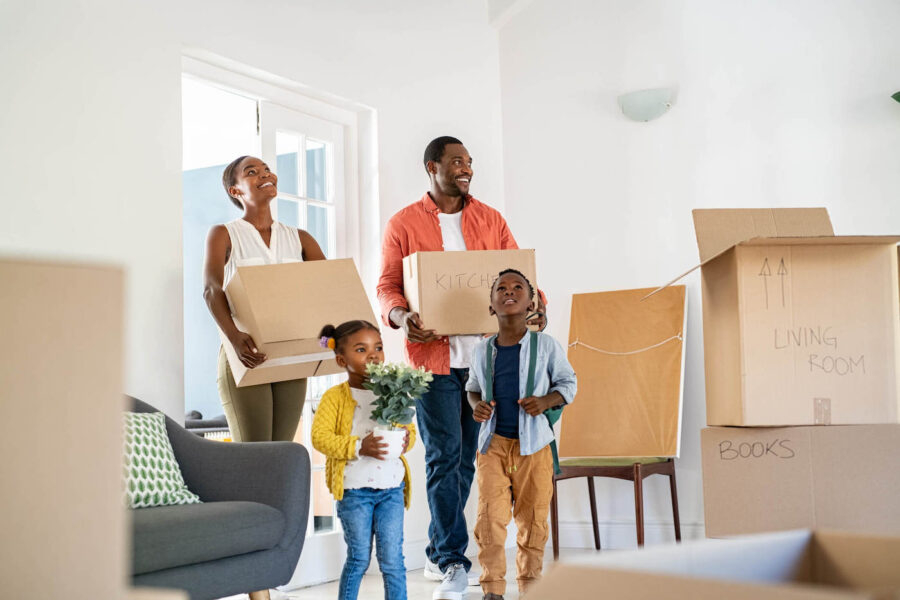
Moving to a new home can be incredibly exciting, but it can also be overwhelming to adjust to all the new routines. To make the transition easier, homeowners should take the time to familiarize themselves with their new surroundings and should be intentional about turning the house into a home.
Adrian Goslett, Regional Director and CEO of RE/MAX of Southern Africa, explains that a residential real estate purchase is more than just a financial investment – it is an emotional purchase as well. “It can take time to adjust to a new property and to make it your own. In fact, it is quite common to experience buyer’s regret shortly after signing the OTP or moving into the property. But, if you have purchased wisely, this feeling will fade as soon as you have adjusted to the new home,” Goslett reassures buyers.
To make this transition process easier for buyers, RE/MAX of Southern Africa shares some tips on how to adjust after moving into a new home.
Explore the surroundings
After the move, explore the new neighbourhood as much as possible, visiting the nearby parks and shops and getting comfortable with the new surroundings. Use the ‘near me’ function on Google Maps to find out more about what the area has to offer. Getting plugged into the community will also help make it feel like home far quicker – your neighbours could have great suggestions for the best local hangouts and stores.
Helping Children Cope
To help young children cope with the move, parents can make sure that enough of their old routines will stay the same, such as mealtimes, bedtimes, and other regular activities. Upon moving in, setting up the children’s bedroom first can also help to make the home feel more familiar and safe. The sooner the children make new friends in the area, the easier it will be to adjust to the new home. Enrol children in a local playgroup or neighbourhood sports club to help them make new friends.
Adjust to the new expenses
It will take time to adjust to the new expenses that come with moving to a new home – especially for those who were previously renting and are new to homeownership. It is always advisable to set up an ongoing maintenance fund that can cover any emergency expenses that crop up with property ownership (for example, if the geyser bursts or the roof starts leaking). Draw up a new budget to account for all the new expenses which could include items such as a higher bond repayment, new insurance costs, and a new internet account. Remember to update your physical address on any existing accounts, subscriptions, and statements.
Redecorate
Another way to make any property feel like home is to redecorate so that the home suits your style. Sellers will often depersonalize a home when they put it up for sale, so buyers will have a blank slate to work with when they move in. While it’s advisable to keep permanent features (such as walls and floors) neutral, buyers can add their personal style through the furniture and décor they choose to add to the rooms.
“Moving to a new home can be a big undertaking, which is why it is advisable to find a property where you can live happily for a number of years. It is also important to remember that real estate is a long-term investment strategy. It takes time for a home to appreciate enough in value for homeowners to make good returns. If you are curious about how your property is appreciating in value over time, keep in touch with a local real estate professional who can keep you updated on home values in the area and other market trends that could affect you,” Goslett concludes.