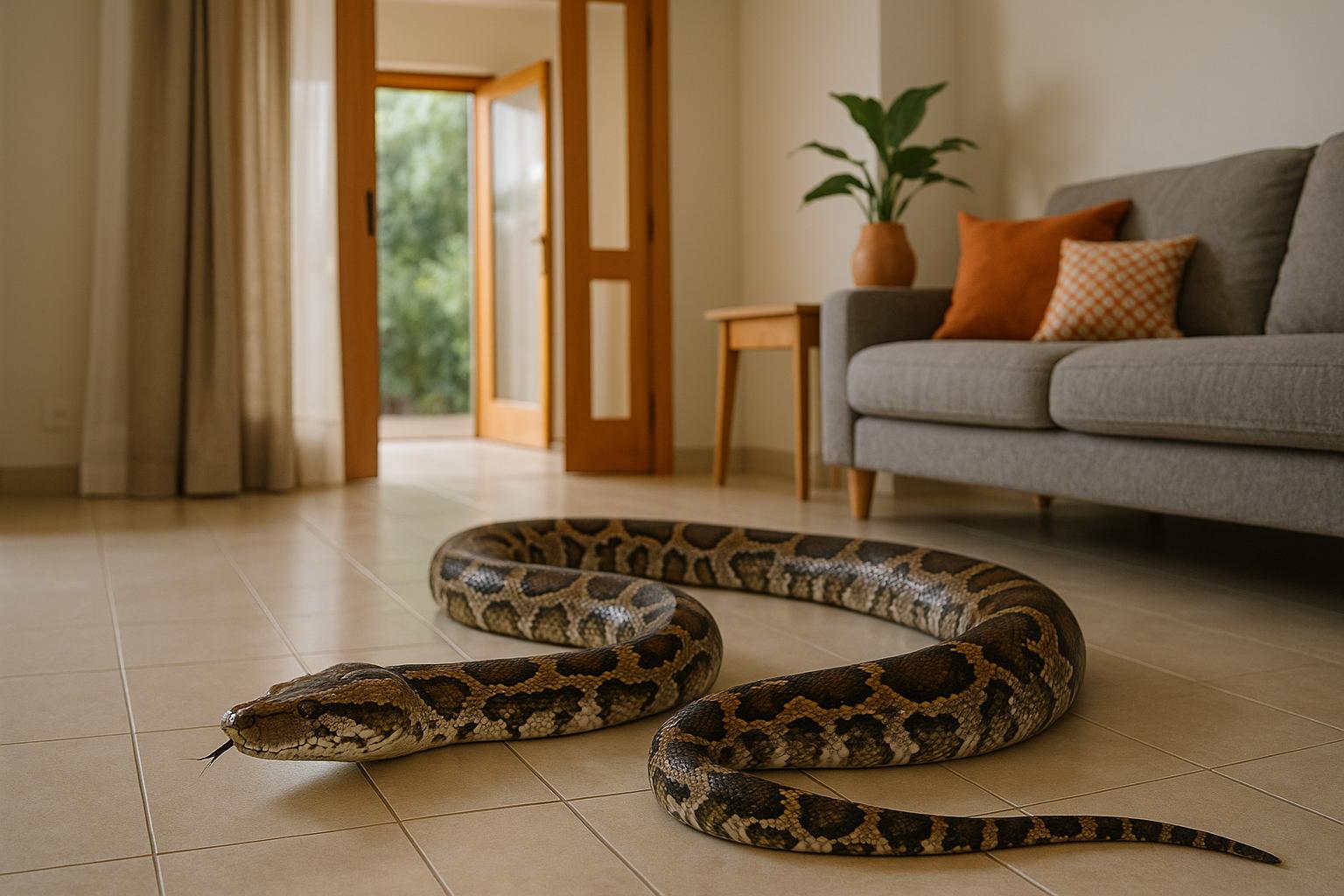
South Africans love a good wildlife story — and recently, a video of a black python slithering into someone’s home sent social media into a frenzy. The comments were gold:
“Move out!”
“Burn the house down!”
“This is why I rent.”
Funny as the reactions were, the story actually brings up a real question for homeowners:
If something like this keeps happening — do you have to disclose it when you sell your home?
The short answer: probably yes.
The longer answer? Let’s unpack it.
Disclosure isn’t just for cracks and leaks
Most homeowners know they must disclose things like rising damp, roof leaks, electrical issues or structural cracks. But South African law actually goes a bit further. You must tell a buyer about anything you know that could reasonably affect their decision to buy — including environmental or wildlife-related issues.
According to Adriaan Grové, Founder & CEO of MyProperty, disclosure isn’t only about the condition of the building. “If there’s something unusual about the property that a buyer would want to know — including recurring wildlife — the seller has a responsibility to mention it,” he said.
That doesn’t mean one spider or a once-off frog in the bathroom. We’re talking patterns. If you know the house has become a preferred hangout spot for a resident snake, or baboons regularly raiding the kitchen, or monkeys stealing your fruit bowl every week — that’s definitely information the next owner might want upfront.
That said, if you are buying in a wildlife or eco estate in South Africa, encounters with snakes, baboons, and larger-than-normal spiders are to be expected. Case in point: the occasional night adder and black mamba that have shown up at Grové’s family residence:
Why this matters more than people think
Living close to nature is one of South Africa’s biggest drawcards. But lifestyle buyers still value certainty. And this is where disclosure becomes part of good, old-fashioned honesty.
“Buyers are more informed than ever, and they’re not just looking at the house — they’re looking at the risks. A seller who is open about what they’ve experienced earns trust and avoids disputes later,” Grové explains.
Wildlife might sound like an amusing anecdote, but post-transfer disputes are never amusing. And in a world where people Google everything from school ratings to crime stats before buying, an unexpected pet python is definitely something they want to know.
Home inspections are evolving, too
Traditionally, home inspections focused on structural defects. Today? They’re broadening.
In fact, according to independent inspection specialist Divan Paul du Preez, buyers are often surprised by how much a professional inspection can reveal — including things the current owner may not even be aware of.
“A good inspection looks beyond the obvious. We check roof cavities, insulation gaps, moisture pockets, and the external environment — all the places where small problems, pests, or wildlife might be hiding,” he says. “Catching those issues early helps buyers make informed decisions and helps sellers avoid disputes later. Most of the time, a simple inspection can save people thousands of rand and a lot of stress.”
So do you really have to disclose the snake?
Here’s the practical breakdown:
-
One-off wildlife encounter: Probably not a material issue.
-
Recurring wildlife presence (especially dangerous animals): Yes — tell the buyer.
-
Anything that might impact safety, habitability, or a buyer’s peace of mind: Also yes.
Not because the law is trying to scare sellers — but because honesty prevents future arguments, legal claims, or misunderstandings.
As Grové puts it, “A home is more than bricks and mortar — it’s someone’s future. Being upfront about the quirks and realities of your property is part of responsible selling.”
A country close to nature needs clear conversations
South Africans live in one of the most biodiverse environments in the world. Sometimes that means morning birdsong. Sometimes that means a curious snake in your front room. Either way, transparency is the safest policy. Buyers appreciate it and sellers protect themselves.