At a glance: Why property inspections matter
- Inspections reduce risk: they reveal structural, electrical, plumbing, roofing, and damp issues before you commit.
- Not legally required — but highly recommended: South African law allows sales without inspections, increasing buyer and seller exposure.
- “Voetstoots” has limits: a property may be sold “as is”, but sellers remain liable if they knowingly conceal latent defects.
- Disclosure matters: the Consumer Protection Act requires known material defects to be disclosed and prohibits misleading representations.
- Buyers gain negotiating power: inspection reports can justify repair requests or price adjustments before transfer.
- Avoid expensive surprises: small issues like damp, roof damage, or drainage problems can become major repair bills after occupation.
- Roof checks are crucial: storms and changing weather patterns make roof and waterproofing inspections especially important.
- Sellers benefit too: pre-listing inspections build trust, reduce cancellations, and often attract more serious offers.
- Faster, smoother transfers: identifying and addressing issues early helps prevent disputes that delay registration.
- Transparency protects everyone: professional inspections create clearer expectations and a more confident property transaction.
Whether you're buying, selling, or renting, a property is one of the biggest financial commitments you will ever make. Yet many people enter into agreements without conducting thorough inspections, and only discover costly issues once contracts are signed or occupation has taken place.
According to Adriaan Grové, Founder and CEO of MyProperty, property inspections provide clarity and protection in a market where uncertainty is common. “A professional inspection allows buyers and sellers to make decisions based on facts,” he says. “I think here in South Africa we can create a more transparent home buying process by making qualified home inspections the norm and not the exception. In the US, roughly 80-90% of home sales include a professional home inspection. Buyers use this report to negotiate repairs or price adjustments, while sellers may conduct pre-listing inspections for transparency.”
Divan Paul du Preez, an independent home inspection expert, agrees. “An inspection is not about finding faults, but rather about preventing future surprises. A small damp patch or loose tile today could become a major repair bill in six months if left unchecked,” he explains.
For buyers: avoid hidden costs later
When purchasing a property, a pre-purchase inspection gives you a comprehensive understanding of the building’s condition before you make an offer.
“Buyers often stretch themselves financially to secure a home,” says Grové. “If unexpected structural issues appear after transfer, those costs fall squarely on the new owner.”
In the landmark case of Gortzen v. Moolman in 2024, a buyer discovered latent damp problems only after moving into the property. According to legal commentary, the sellers had used a ‘voetstoots’ clause (meaning ‘as is’) to limit their liability, but concealed the underlying moisture damage. The court found in favour of the buyer, citing fraud for non-disclosure of the defect.
“South African law does not mandate a full building inspection before sale or transfer of residential property, but it does impose important obligations on sellers and agents,” Grové explains. “Many people don’t fully understand the common-law ‘voetstoots’ principle, where a seller includes a clause declaring the property sold ‘as is’. That clause, however, cannot absolve the seller of liability if they knowingly conceal defects - particularly latent defects which are not immediately visible.”
Moreover, the Consumer Protection Act 68 of 2008 strengthens buyer rights: when a property is sold in the ordinary course of business, the seller and agent must disclose any known material defects and cannot make false or misleading representations.In practice, this means that while inspections are not legally compulsory, failing to arrange or disclose a property condition report may expose sellers or agents to legal risk, and supports the argument for buyers and renters to insist on professional inspections.
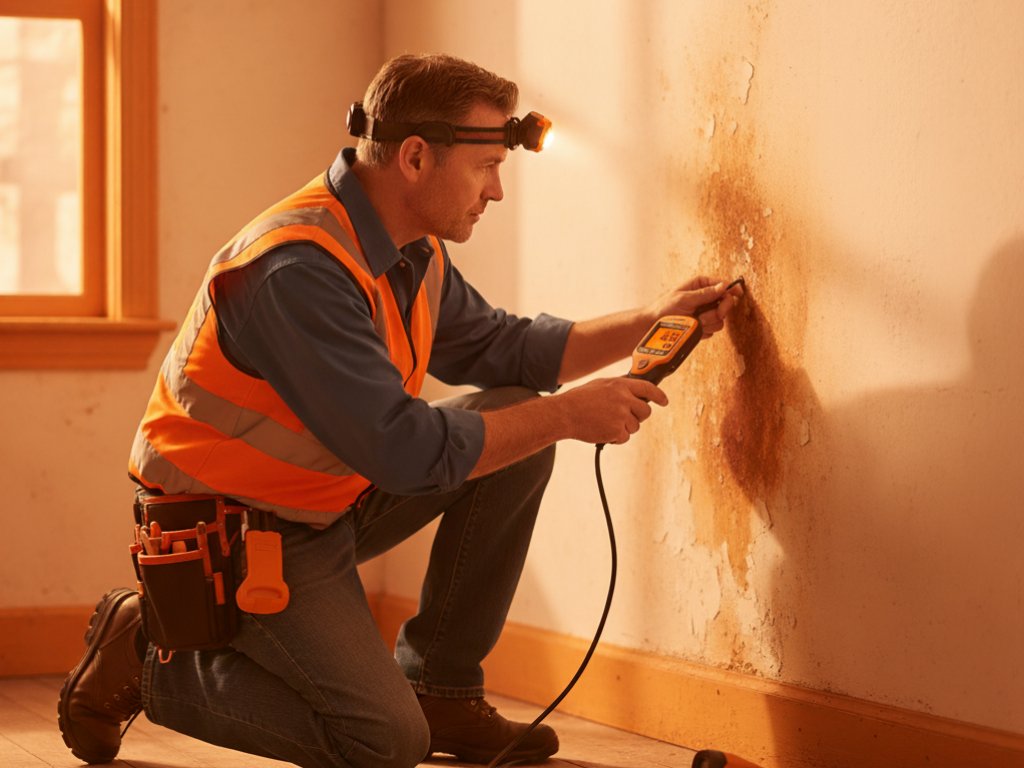
Proper home inspections can reveal problems with roofing, plumbing, electrical wiring, foundations, and moisture damage - issues that are not always visible during a casual viewing. They also provide negotiating power. Du Preez notes: “An inspection report allows a buyer to negotiate repairs or adjust their offer. It’s far better to know upfront than inherit someone else’s maintenance backlog.”
Today, roof inspections have become increasingly important due to changing weather patterns and storm damage across South Africa. They include detailed photographic reports of the roof structure, gutters, flashings, waterproofing, tiles, and interior roof cavity.
Du Preez highlights, “Most major insurance claims start with roof issues. An inspection helps you catch small cracks or drainage problems early, before they turn into leaks and structural damage.”
For sellers: protect your asking price and speed up the sale
A pre-sale inspection allows sellers to identify issues before listing and decide whether to repair them or disclose them upfront. This builds trust with potential buyers and reduces the chances of deal cancellations.
“When a seller provides an inspection report as part of their listing, it signals transparency,” says Grové. “It shortens the negotiation process and often results in more serious offers.”
Instead of being caught off guard by defects during the buyer’s inspection, sellers can proactively manage the narrative.
Du Preez adds: “Inspections help sellers avoid disputes that delay transfer. It’s a proactive step that saves time and protects the property’s market value.