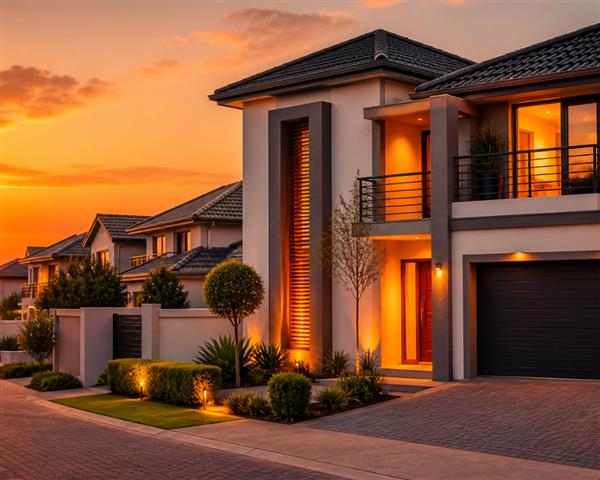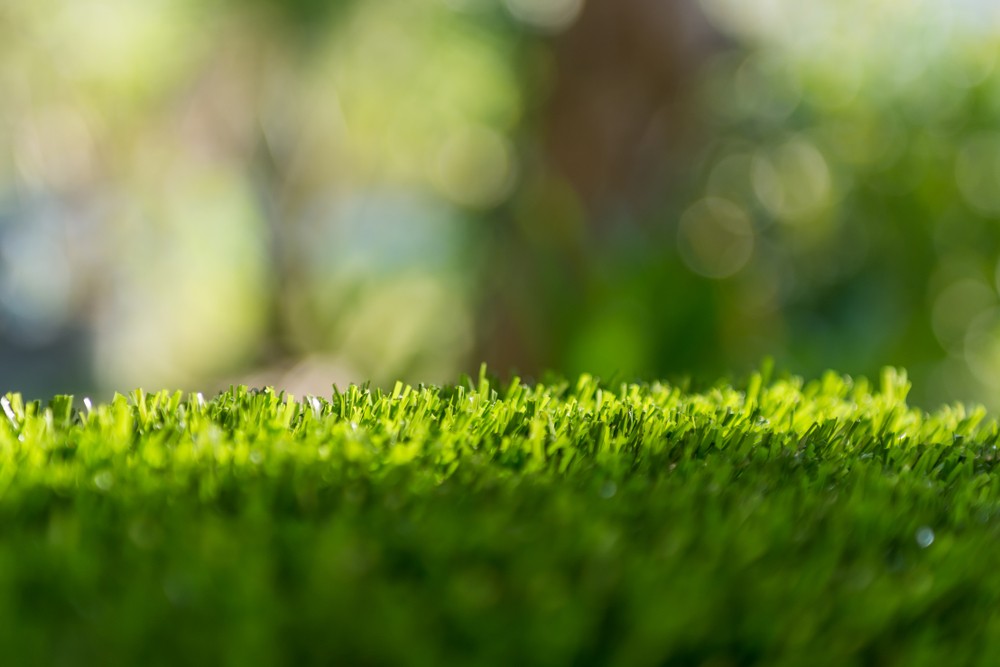
There are two kinds of people in the world: those who prefer hardcopy novels over e-readers and vinyl over iTunes. For the purists out there, artificial grass will never make the cut. But, overlooking any subjective feelings on this matter, could installing artificial grass have any effect on the resale value of a property?
“In my experience, this decision is really a matter of personal choice. In general, I would say that installing artificial grass has a more positive than negative effect, especially since a well-laid piece of Astroturf has that bright sheen of synthetic green that lifts a garden and creates an enticing space for potential buyers. There will always be some people who simply don’t like the synthetic aspect of having Astroturf. But, in general, most buyers react positively to it,” explains Grant Gavin, Broker/Owner of RE/MAX Panache.
However, if the question of whether to install artificial lawn on private property were to be posed in the 1960s when this material was first developed as an alternative solution to sports fields, the answer would be entirely different, and would probably include a follow-up question regarding the sanity of the questioner. Nobody initially anticipated that the material would be advanced to the point where homeowners would want it installed in their own backyards. But, the material is far removed from the hard nylon fibres of its birth and has since grown into a viable rival to the plush surface of Mother Nature’s green grass.
“Over the last ten years, artificial grass has peaked in popularity owing to the quality of the material. Many manufacturers quote a life span of over 25 years on their product. One of the only real negatives of Astroturf over grass is that, no matter how much the material is developed, it will always be synthetic and there will always be those who dislike it for that very reason,” Gavin remarks.
Homeowners who do decide to install artificial lawn should be warned about the possible environmental impact of the decision. Artificial lawns are not biodegradable and will end up in landfill at the end of its 25 year life span. However, not all artificial lawns are created equally. Responsible homeowners should only consider options that are made from recycled materials and can themselves be recycled.
But, especially in areas prone to drought, Gavin explains that artificial lawns can be an environmentally responsible option that can add value to a home. “A well-grown, well-maintained garden of grass always looks best. The worst thing for sellers is to have a garden filled with brown sandy patches. Artificial grass that has been well-maintained does not need to be watered and will look good no matter the season,” he says.
While it might be costlier to install artificial lawn over grass, the long-term costs of maintaining a real lawn will quickly add up to make the initial costs of Astroturf worthwhile. “The challenges and costs of keeping a garden looking good, especially when the family has dogs, is something homeowners need to consider when weighing up their options.”
According to Gavin, there are many ups and downs that a homeowner will need to ponder. “Ultimately, you will have to consider how you are going to be using the space to decide if installing artificial grass will add value to how you enjoy your own home. If you have children who want to use the space to play games, then Astroturf would make more sense than paving if you have a shady space where grass struggles to grow. If you compare Astroturf to grass, however, it’s a different conversation. Astroturf can get much warmer than grass, so it might not be the best fit for sunny spaces.”
“For those hoping to sell soon, though, I would say that, in general, artificial lawns have a positive impact on the resale value of a home because it looks neat and gives the overall impression of a well-maintained property,” Gavin concludes.